
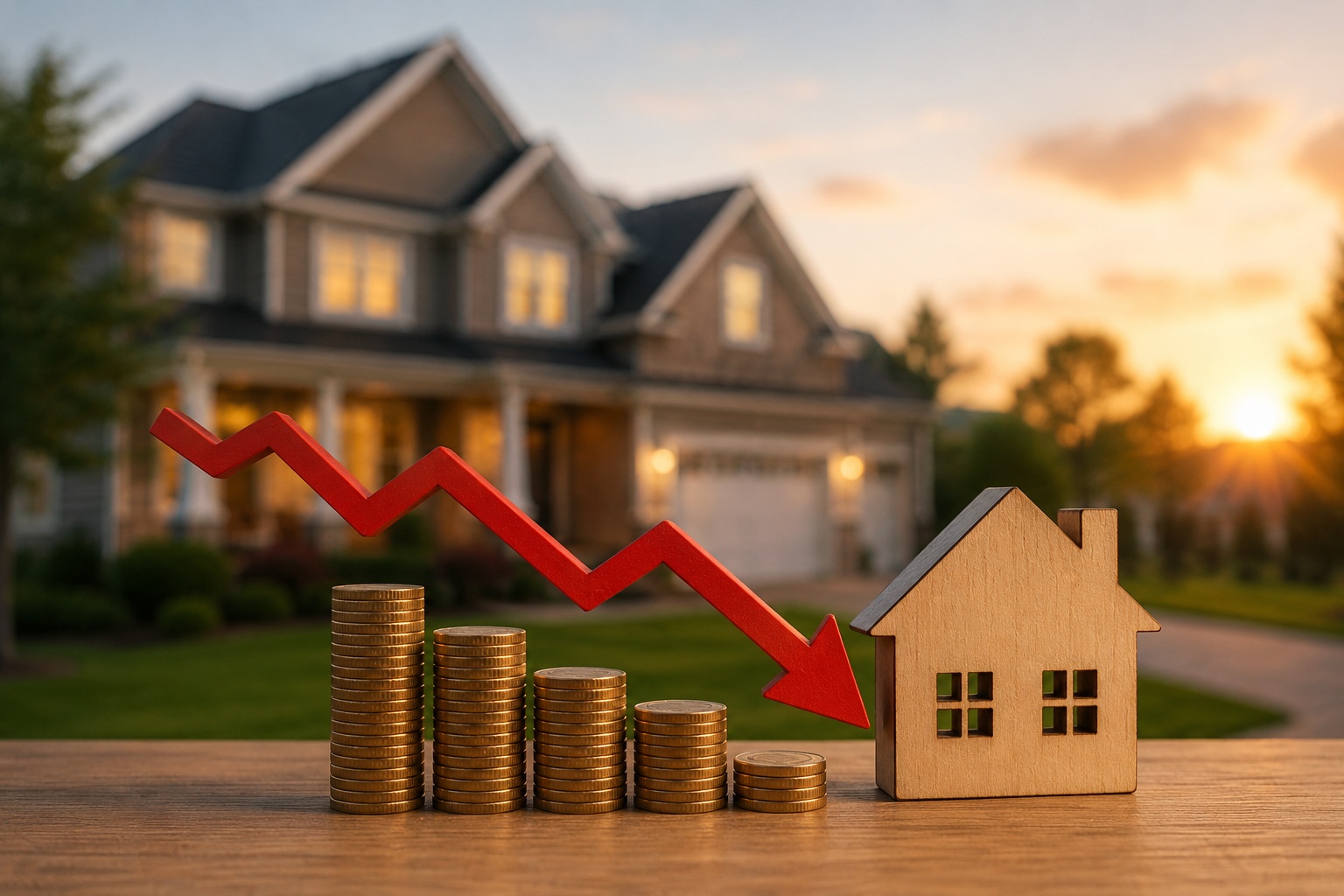
The Dangers of Overpricing in 2026: What Ontario Home Sellers Need to Know
Selling a home in Ontario in 2026 is not the same as selling during the peak market years. Buyers are more careful. They have more options. They are watching prices closely, comparing recent sales, and walking away from homes that feel overpriced.
That does not mean sellers cannot do well. Homes are still selling. Good properties in strong locations can still attract serious interest. But one thing has become clear: overpricing is one of the fastest ways to hurt your sale.
In today’s market, the first price you choose matters. It can attract buyers, create momentum, and help your home sell for the strongest price the market will allow. Or it can push buyers away, cause your listing to sit, and force you into price reductions later.
For Ontario sellers, understanding the danger of overpricing in 2026 is essential before going live on MLS.
Why Overpricing Is Riskier in the 2026 Ontario Real Estate Market
In a very hot seller’s market, some homeowners could list high and still get attention. Buyers had fewer options, interest was intense, and bidding wars were common in many areas. That is not the same market sellers are facing in 2026.
Across many Ontario communities, buyers are more selective. Higher borrowing costs, affordability concerns, and economic uncertainty have made people more cautious. Even when buyers are active, they are not rushing into just any home at any price.
This creates a major problem for overpriced listings.
If your home is priced too high, buyers may not see it as a serious option. They may skip the showing, wait for a price drop, or choose another property that feels better aligned with the market. In some cases, they may like your home but still refuse to offer because the price feels unrealistic.
The danger is not just that your home may take longer to sell. The bigger danger is that overpricing can weaken your position from the very beginning.
Buyers Can Spot an Overpriced Home Quickly
Today’s buyers are informed. Before they book a showing, many have already looked at comparable listings, sold prices, neighbourhood trends, property taxes, renovation costs, and mortgage payments.
They are not only asking, “Do I like this home?” They are asking, “Does this price make sense?”
If similar homes nearby have sold for less, buyers will notice. If your home needs updates but is priced like a fully renovated property, buyers will notice. If your condo is listed higher than comparable units in the same building, buyers will notice.
This matters because buyers do not need to physically visit every property anymore. Many will eliminate a home online before ever stepping inside. That means overpricing can reduce your showing activity before your listing has a real chance.
In 2026, your competition is not just the home down the street. It is every other property a buyer can compare against with a few taps on their phone.
The First Two Weeks Matter More Than Most Sellers Realize
When a home first hits the market, it usually gets its highest level of attention. Buyers who have been waiting for the right property will see it right away. Agents will send it to active clients. It may appear in saved searches, email alerts, social media posts, and online listing platforms.
That early window is valuable.
If the home is priced properly, that first wave of attention can lead to showings, strong feedback, and possibly an offer. If the home is overpriced, that same group of buyers may reject it quickly.
Once that first wave passes, the listing can start to lose momentum. Buyers may assume something is wrong if the home sits too long. Even if nothing is wrong, the perception changes.
A stale listing can make buyers feel like they have more leverage. Instead of asking, “How fast do we need to move?” they start asking, “How much under asking should we offer?”
That shift can cost sellers money.
Overpricing Can Lead to a Lower Final Sale Price
Many sellers overprice because they believe they are leaving room to negotiate. On the surface, that sounds reasonable. But in a slower or more balanced market, it can backfire.
When a home is priced too high, it may sit without offers. After a few weeks, the seller may reduce the price. If that still does not create enough interest, another reduction may follow.
By that point, buyers may start to wonder why the property has not sold. Some may assume the seller is getting desperate. Others may think there is a hidden issue with the home. Even if the only issue was the original price, the listing may now carry a negative impression.
This is how overpricing can lead to a lower final sale price than a stronger pricing strategy would have achieved from the start.
A well-priced home can create urgency. An overpriced home can create doubt.
Price Reductions Do Not Always Fix the Damage
A price reduction can help, but it does not fully reset the listing in buyers’ minds.
When buyers see a home reduce its price, they may not immediately think, “Great, now it is a good deal.” They may think, “Maybe they will reduce it again.” This can cause buyers to wait instead of act.
That is especially risky if your goal is to sell within a certain timeline. Maybe you already bought another home. Maybe you are relocating. Maybe you need the sale proceeds for your next move. In those situations, losing momentum can create stress and reduce your negotiating power.
The better strategy is to avoid chasing the market down. If prices are softening or buyers are cautious, starting too high can leave you behind the market instead of in front of it.
Overpricing Can Reduce Showings and Feedback
Showings are not just about finding the buyer. They also help you understand how the market is responding.
If your home is priced properly, you should see a reasonable level of activity compared to similar homes in your area. If showings are low, that is often a sign that buyers are not seeing enough value.
The problem with overpricing is that it limits feedback. If buyers do not come through the door, you may not get enough real comments to understand what is holding them back. You may think the market is quiet when the real issue is the price.
Serious buyers usually have a budget range. If your home is listed above where it should be, it may not even show up in the right buyers’ searches. At the same time, buyers who are searching in your higher price range may compare your home to stronger properties and decide it does not measure up.
That means overpricing can put your home in the wrong competition pool.
Your Home Is Worth What the Market Will Support, Not What You Need
This is one of the hardest parts of selling.
A seller may want a certain price because of what they paid, how much they spent on renovations, what they owe on their mortgage, or how much they need for their next purchase. Those numbers matter to the seller, but they do not determine market value.
Buyers care about current value.
They look at location, condition, lot size, layout, finishes, recent sales, interest rates, and available competition. If the price does not line up with those factors, buyers may not care how much the seller needs.
This does not mean your home should be underpriced. It means your pricing should be based on evidence, not emotion.
A strong pricing strategy protects your interests by positioning your home properly from the start.
Renovations Do Not Always Justify a Higher Price
Many Ontario sellers believe that because they renovated, they can add the full renovation cost to the asking price. Unfortunately, the market does not always work that way.
Some renovations add strong value. Kitchens, bathrooms, flooring, mechanical updates, curb appeal, and functional improvements can make a home more attractive. But buyers still compare the finished product to other homes.
If the renovation style is too personal, dated, incomplete, or not aligned with what buyers expect in that price range, it may not deliver the return the seller expects.
For example, a buyer may appreciate a renovated kitchen, but they may still discount the home if the basement is low, the layout is awkward, the bedrooms are small, or major systems are aging.
Pricing should account for upgrades, but it should also account for the full picture.
Overpricing Gives Your Competition an Advantage
Every listing has competition. If your home is overpriced, nearby properties can look like better value.
This is especially important in 2026 because many buyers are cautious and value-driven. They are comparing payment amounts, carrying costs, renovation needs, and resale potential. A home that feels fairly priced will often stand out against one that feels inflated.
When your property is priced too high, it can help sell someone else’s home.
A buyer may tour your property, then visit a similar home listed lower and feel more confident making an offer on that one. In that situation, your listing becomes the comparison that makes another home look attractive.
That is not where you want to be as a seller.
The Right Price Can Still Create Strong Results
Pricing properly does not mean giving your home away. It means creating the best chance for serious buyers to engage.
A strong listing price should be based on recent comparable sales, current active competition, local buyer demand, property condition, neighbourhood trends, and your timeline. It should also consider how buyers search online.
Sometimes the right strategy is to price close to market value. Sometimes it is to price slightly under the expected sale range to create more activity. Sometimes a more patient approach makes sense for a unique property with fewer direct comparables.
The key is that the strategy must match the market, not just the seller’s hopes.
In 2026, sellers need clear advice, accurate data, and honest guidance before choosing a price.
Signs Your Home May Be Overpriced
If your listing is already live, there are warning signs to watch for. Low showing activity, weak online engagement, poor feedback, no second showings, and no offers after strong market exposure can all point to a pricing problem.
This does not always mean the home is badly priced. It could be the presentation, photos, staging, access, timing, or marketing. But if similar homes are selling and yours is not getting interest, price needs to be reviewed seriously.
The longer a seller waits to adjust, the harder it can become to recover momentum.
A smart adjustment made early is often better than a larger reduction made too late.
How Ontario Sellers Should Price Their Home in 2026
The best pricing strategy starts with a detailed comparable market analysis. This should not be a quick guess based on old sales or a neighbour’s asking price.
A proper pricing review should look at homes that recently sold, homes currently listed, homes that failed to sell, price reductions in the area, days on market, condition, layout, upgrades, lot size, school district, parking, condo fees if applicable, and buyer demand in that specific pocket.
It should also consider what is happening right now. A sale from six months ago may not tell the full story if the market has changed.
For sellers, the goal is not to pick the highest possible number. The goal is to choose the number that gives the home the strongest chance to attract the right buyers and produce the best result.
That is a very different mindset.
Final Thoughts: Do Not Let Overpricing Cost You
Overpricing can feel tempting, especially when you love your home and want the highest possible return. But in the 2026 Ontario real estate market, pricing too high can reduce showings, weaken momentum, create doubt, invite low offers, and lead to a lower final sale price.
The sellers who do best are usually the ones who price with strategy, not emotion.
If you are thinking about selling your home, do not guess your price and hope the market agrees. Get clear advice from a team that understands local buyers, current market conditions, and how to position your home properly from day one.
The Johnson Team is known across Toronto and the Greater Toronto Area for strong market knowledge, creative marketing strategies, and client-focused service. Jeff and Liz Johnson have built one of the GTA’s top-performing real estate teams by helping sellers make smart decisions, market their homes effectively, and negotiate with confidence.
Thinking about selling your home? Contact The Johnson Team today to get connected with a Seller’s Agent right away and find out what your home is really worth in today’s market.
Posted by Maryann Quenet on
Enjoy this blog post? Click here to subscribe for updates
Leave A Comment